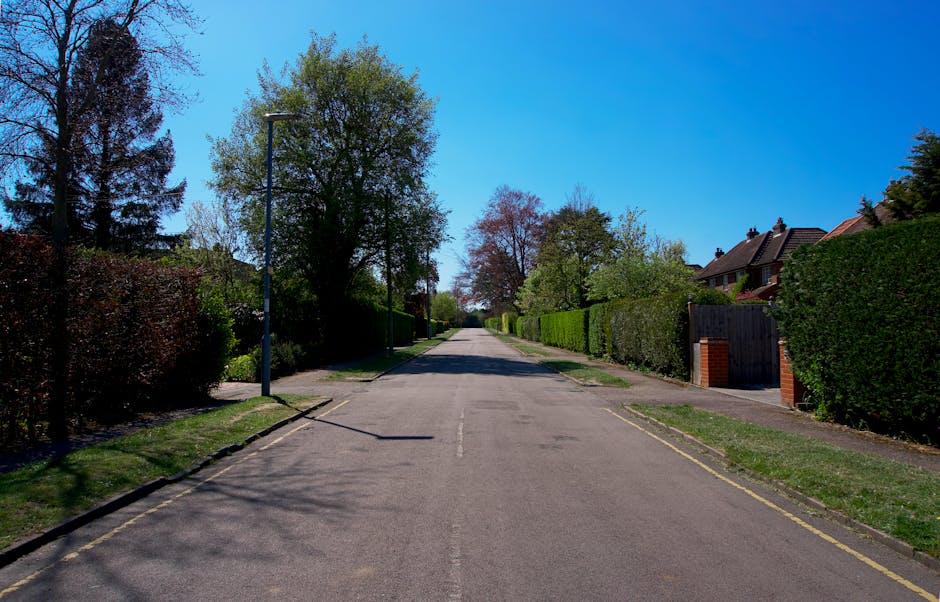
Gardening Services in Brimsdown

Gardening Services Brimsdown provides practical garden care for homes and properties that need tidy, manageable outdoor spaces throughout the seasons. Our main service covers regular maintenance, lawn care, hedge work, planting support and clearance tasks, with each job planned around the condition of the garden and the finish the customer wants. Whether the priority is routine upkeep or a one-off reset, the aim is to keep the work clear, organised and suited to the space in front of us.
We handle common garden tasks with an approach that keeps the outdoor area usable while improving its appearance and structure. That can include cutting back overgrowth, shaping hedges, removing waste, refreshing borders and reducing the build-up that often makes a garden feel hard to manage. Good gardening is not only about appearance; it also helps the space remain safer, easier to use and simpler to maintain over time.
If you need a straightforward quote for garden work in Brimsdown, start by telling us what the garden needs and how much of it you want covered. A clear description of the current condition usually helps us identify the right service and the right level of labour. For a quicker response, gather any notes on access, size, and the main tasks you want completed, then request a quotation in plain terms.
Regular Garden Maintenance
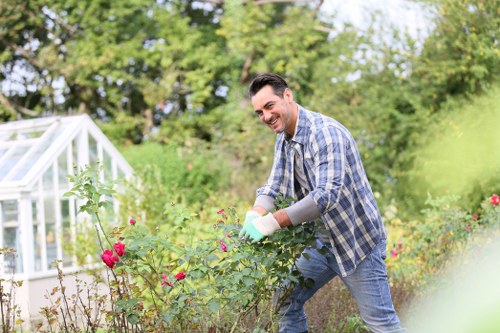
Regular maintenance keeps a garden from slipping into a state where every job becomes a larger reset. Our garden maintenance work is built around sensible, repeatable tasks such as trimming, weeding, debris removal and general tidying. For many properties, the value lies in consistency: keeping growth under control, maintaining clear edges and reducing the amount of corrective work needed later in the year. This kind of service suits gardens that benefit from scheduled attention rather than occasional rescue work.
Within maintenance visits, we can focus on the parts of the garden that have the greatest visual and practical effect. Borders can be cleared of dead material, paths can be kept free of leaf litter, and planting areas can be tidied so that healthy growth has room to develop. Where the garden needs a lighter touch, we can work selectively rather than cutting everything back. That helps preserve shape and balance while still improving overall presentation.
For customers comparing options, it often helps to think about whether the garden needs a one-off tidy or recurring upkeep. A steady maintenance plan is usually best where growth is active and the space quickly loses its shape. If you are unsure which direction suits the garden, a brief description of the current condition is enough to begin. You can request a quotation once the main tasks are clear, then decide whether the work should be repeated seasonally or left as a single visit.
Lawns, Edges and Cutting Work

Lawn care is one of the most visible parts of a garden service, because even a modest lawn can change the feel of the whole space. Our mowing work is aimed at producing a neat, even finish while keeping the lawn healthy enough to recover between cuts. Depending on the state of the grass, the work may also include edging, clearing clippings and dealing with areas where growth has become uneven. The result is a more defined garden that feels cared for rather than left to spread.
Edges matter as much as the main cut when a lawn is part of a wider layout. Clean lines beside borders, fences, paving or paths help the garden look ordered, and they also make later maintenance easier. Where grass meets planting beds or hard landscaping, we can trim back encroachment and remove stray growth so the boundary is clear again. This is especially useful when the garden contains a mix of lawn, beds and paved access routes that all need to read as one space.
If the lawn has become patchy, long or uneven, it may need more than a quick pass with a mower. In those cases, the work is often better approached by setting the height carefully, removing excess material and bringing the surface back into a manageable state. Please describe the lawn and any awkward corners when asking for a price, as that helps us estimate the time involved. Then you can ask for a quotation that reflects the actual condition rather than a generic garden estimate.
Hedges, Shrubs and Controlled Growth
Hedge trimming and shrub shaping can transform the structure of a garden because overgrowth quickly affects light, access and the sense of order around boundaries. Our work is focused on controlling growth without making the planting look harsh or unnatural. Different species and garden layouts call for different approaches, so the finish may be clipped, reduced or lightly shaped depending on what the plant and the space can sensibly take. That flexibility matters in gardens where a single hard cut would leave the border looking bare.
We also look at how hedge work relates to the rest of the garden. A boundary hedge can frame the space neatly, while taller shrubs may need selective reduction to prevent them from crowding paths, windows or smaller plants nearby. Careful trimming helps the garden keep its form and can make regular upkeep easier in the months that follow. When a hedge is particularly uneven, work may need to be staged so the result remains balanced rather than overcut.
For customers who only want part of the garden addressed, it is helpful to identify which growth is causing the most difficulty. That might be a front hedge, a side boundary, or a cluster of shrubs that has spread too far into a path. You can use a simple note to request a quotation, and we can then tailor the scope to the shape of the planting and the finish you want.
Clearance, Waste and Tidy Finishes
Garden clearance is the service that brings a neglected or cluttered outdoor space back under control. It may involve removing thick vegetation, lifting dead material, clearing accumulated waste and dealing with the kind of overgrowth that blocks access or hides the usable parts of the garden. A thorough clearance can make it easier to assess what should be kept, cut back, replaced or improved later. In that sense, it is often the first practical step before any longer-term gardening plan.
Clearance work can also support more targeted garden improvements by removing what is in the way first. Once the area is opened up, borders can be reviewed properly, paths can be seen clearly and the remaining planting can be managed with greater precision. Where waste has built up, the end of the job should leave the garden ready for the next stage rather than with a fresh layer of mess. Neat removal and finishing are part of the value, not an afterthought.
If your garden has multiple problem areas, it helps to separate them in your enquiry. Tell us whether the issue is cut-back growth, loose debris, unwanted items or simply a general need for tidying. That gives a better basis for a quotation and helps ensure the work is arranged with the right tools and time. When the situation is more complex, a fuller description is more useful than a short label.
Planning Work, Access and Quotation Details
Good garden work starts with a clear understanding of the space, the access and the outcome you want. A brief note about size, current condition and the main areas to be worked on is usually enough to begin. If there are narrow side passages, steps, locked gates or sensitive planting to work around, those details help shape the job from the start. That keeps the quotation more relevant and makes the visit itself more straightforward.
It is also useful to think about the difference between a cosmetic tidy and a deeper recovery job. A garden that only needs cutting and edging will be planned differently from one that requires clearance, pruning and a reset of several sections at once. If you can, group the tasks in order of priority: for example, lawn first, hedge work second, then any remaining tidying. Clear priorities make the estimate easier to match to the work, especially where time on site matters.
To request a quotation, send a plain description of the garden and the tasks you want completed. If you prefer, you can also mention whether you want a one-off job or regular maintenance. Then we can respond with a quote that reflects the actual work rather than a broad guess, and you can decide how much of the garden you want covered in one visit.
About Brimsdown
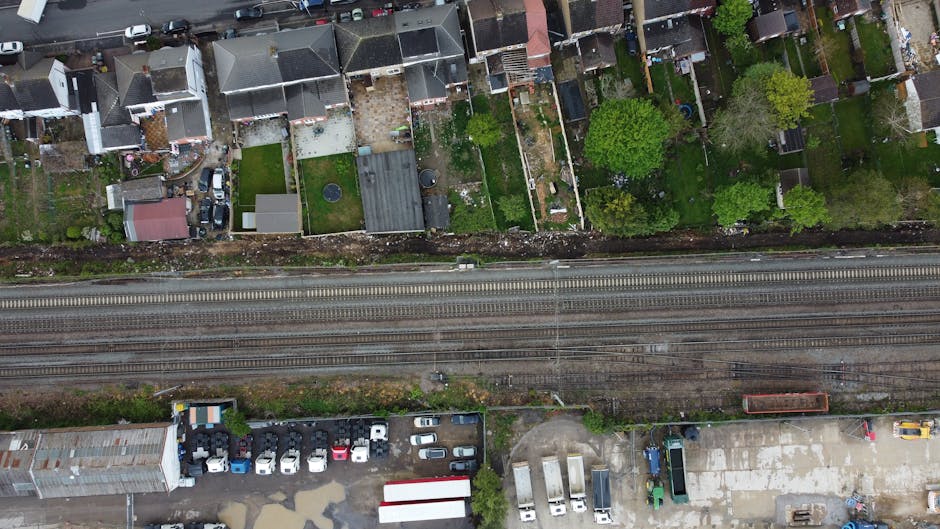
Brimsdown is an area in the London Borough of Enfield, in north London, and it is closely associated with the Lee Valley corridor and the broader pattern of settlement along the River Lea. The name is used for both the local district and Brimsdown railway station, which gives the area a recognisable point of reference within Enfield. Like much of the borough, the surroundings combine residential streets, industrial land and open spaces, creating a varied urban edge rather than a single uniform landscape. The nearby waterways and low-lying ground are part of the wider Lee Valley character, where canals, reservoirs and river routes have long shaped movement and land use.
Landscape Gardening and Shaping Outdoor Space

Landscape gardening covers the work that changes the shape and feel of a garden rather than simply maintaining it. This may involve reworking planting areas, opening up space, improving the balance between soft and hard surfaces or creating a more deliberate layout across the plot. Where a garden feels fragmented, landscape work can bring the sections together so the space is easier to read and more practical to use. The emphasis is on structure, proportion and the relationship between the different parts of the garden.
We can help with the parts of landscaping that support a tidy, coherent finish, from levelling and border definition to planting adjustments and the refinement of existing features. In many gardens, small changes make a significant difference: straightening an edge, resetting a bed, or reducing clutter around a focal point can make the whole space feel more considered. The key is to choose improvements that suit the size of the garden and do not overwhelm it with unnecessary changes.
If you are planning a wider improvement rather than a simple tidy, it is sensible to say which parts of the garden matter most. That might be the front approach, a seating area, a lawn edge or a border that needs redesigning. Once those priorities are clear, you can request a quotation that reflects both the practical work and the finish you want, and then decide how far to take the project.
Decking and Garden Features
Decking services are useful where the garden needs a defined sitting, stepping or transition area that feels separate from the planting around it. Decking can create a surface that works well beside lawns, borders or paved paths, provided it is set out and finished carefully. The practical value lies in giving the garden a clear zone for use while keeping the rest of the space organised. A well-placed deck can also help tie together different levels or awkward corners of a plot.
When decking is part of a garden plan, the rest of the space should still be considered as one whole. Clean edging, sensible positioning and tidy surrounding planting all influence how successful the final layout feels. If the timber area is allowed to sit beside overgrown borders or cluttered paths, the effect is weaker than it needs to be. That is why decking and general garden care often work best together, with each part supporting the other.
For a quotation, explain whether the decking is a fresh feature, a replacement, or part of a wider garden improvement. If you are also looking at planting, clearance or layout changes, mention those at the same time so the estimate covers the full scope. A clear description now can save a lot of back and forth later, and it helps identify the most suitable way to approach the project.
Practical Choices Before You Book
Choosing garden work is easier when you separate what must be done from what would simply be nice to have. The most useful first step is often to decide whether the priority is control, cleaning up, reshaping or rebuilding. Once that is clear, the garden tasks can be organised in a sensible order without trying to solve everything at once. This makes it easier to compare different levels of work and decide which option fits the budget and the condition of the garden.
A short list can be helpful when you are preparing an enquiry: lawn care, hedge trimming, clearance, planting tidy-up, or a landscaping improvement. That list does not need to be elaborate, but it should say enough for the scope to be understood. If the garden contains more delicate areas, mention them too, so the work can be planned around them. The more precise the brief, the easier it is to quote for the right combination of tasks.
If you are ready to move ahead, request a quotation and tell us which part of the garden matters most right now. We can then focus on the service that fits the space, the growth and the outcome you want, rather than giving a vague response that does not help. The aim is a clear, workable plan and a result that leaves the garden easier to enjoy and maintain.